Problem: The Per Square Foot Number You Were Quoted Is Incomplete
Most Brazil owners start with a single question. What does a flat roof replacement cost per square foot? The answer they get back is usually a clean range like six to twelve dollars. That number is real, but it covers only the membrane and basic labor. It rarely includes tear off, insulation upgrades, deck repair, edge metal, drains, or warranty registration. By the time those land on the invoice, the effective rate is often forty to sixty percent higher than the headline figure.
Solution: Ask for a Line Item Quote, Not a Per Foot Average
A clean replacement bid breaks the price into membrane, insulation, fasteners or adhesive, flashings, edge metal, drain work, tear off and disposal, and permits. When the line items are visible, you can compare two bids fairly. You can also see which contractor is padding and which is actually pricing the work. Our commercial roofing cost per square foot breakdown shows the typical share each category takes on a 20,000 square foot project. At Brazil Commercial Roofing, we hand owners the spreadsheet, not just the total, so the conversation can move from sticker shock to real decisions about scope.
Problem: Material Choice Swings Your Cost More Than Labor
In Brazil, the three systems quoted most often are TPO, EPDM, and modified bitumen, with PVC showing up on restaurants and buildings with grease exhaust. The membrane you pick changes your per foot cost by two to four dollars before anyone steps on the roof. Insulation R value adds another layer. A code compliant R 30 buildup costs noticeably more than the R 20 some older buildings still carry.
Solution: Match the Membrane to the Building, Not the Brochure
A warehouse with low foot traffic and no rooftop grease does fine on EPDM or TPO. A restaurant with hood exhaust needs PVC because TPO degrades when grease hits it. A building with rooftop HVAC service calls needs a tougher membrane or walk pads. Picking the right system for how the roof actually gets used keeps you from paying premium prices for features you do not need, or saving money on a membrane that will fail early. Membrane thickness matters too. A 60 mil TPO costs more than a 45 mil version but typically adds five to seven years of usable life, which changes the cost per year math even if the cost per foot looks higher today.
Problem: Active Leaks Push Owners Into Rushed Decisions
When water is dripping on inventory or tenants are calling, the temptation is to sign the first bid that promises a fast start. Rushed decisions usually mean skipped inspections, undersized scope, and a roof that gets replaced twice in ten years.
Solution: Stabilize First, Then Bid the Real Project
At Brazil Commercial Roofing we assess severity over the phone and prioritize tarping and dry in for active leaks so the building is protected while the full replacement is scoped properly. Inspections are scheduled fast, cores are pulled, and the line item bid comes from real measurements rather than a guess made under pressure.
Problem: The Cheapest Bid Often Costs the Most by Year Five
A bid that comes in twenty percent below the others usually leaves something out. Common omissions include proper edge metal, walk pads at service points, tapered insulation for drainage, and manufacturer warranty registration. The roof looks fine on install day and starts ponding, leaking at penetrations, or losing seams within a few years.
Solution: Compare Warranty, Not Just Price
A 20 year NDL warranty from the manufacturer requires specific install details and inspections. A material only warranty does not. Two bids at different prices may be selling completely different products even if the membrane name is the same. Ask which warranty is being registered, who inspects the finished work, and what voids coverage.
Problem: Small Roofs Cost More Per Foot Than Large Ones
If your building has 3,000 square feet of roof, expect to pay closer to the top of every range. Mobilization, dumpsters, crane time, and permits cost roughly the same on a small job as a medium one, and that overhead gets spread across fewer feet. Owners of strip retail and small office buildings in Brazil are often surprised when their per foot price lands at twelve or thirteen dollars while a 30,000 foot warehouse next door gets quoted at eight.
Solution: Plan the Numbers Three Ways
- Get the per foot price for the roof as it sits today, like for like replacement.
- Get the price with an insulation upgrade to current code, since some jurisdictions require it on full replacements.
- Get the price with a roof coating restoration option if the membrane still has life left. Sometimes coating versus replacing changes the math entirely.
Problem: The Deck Underneath Is the Wild Card
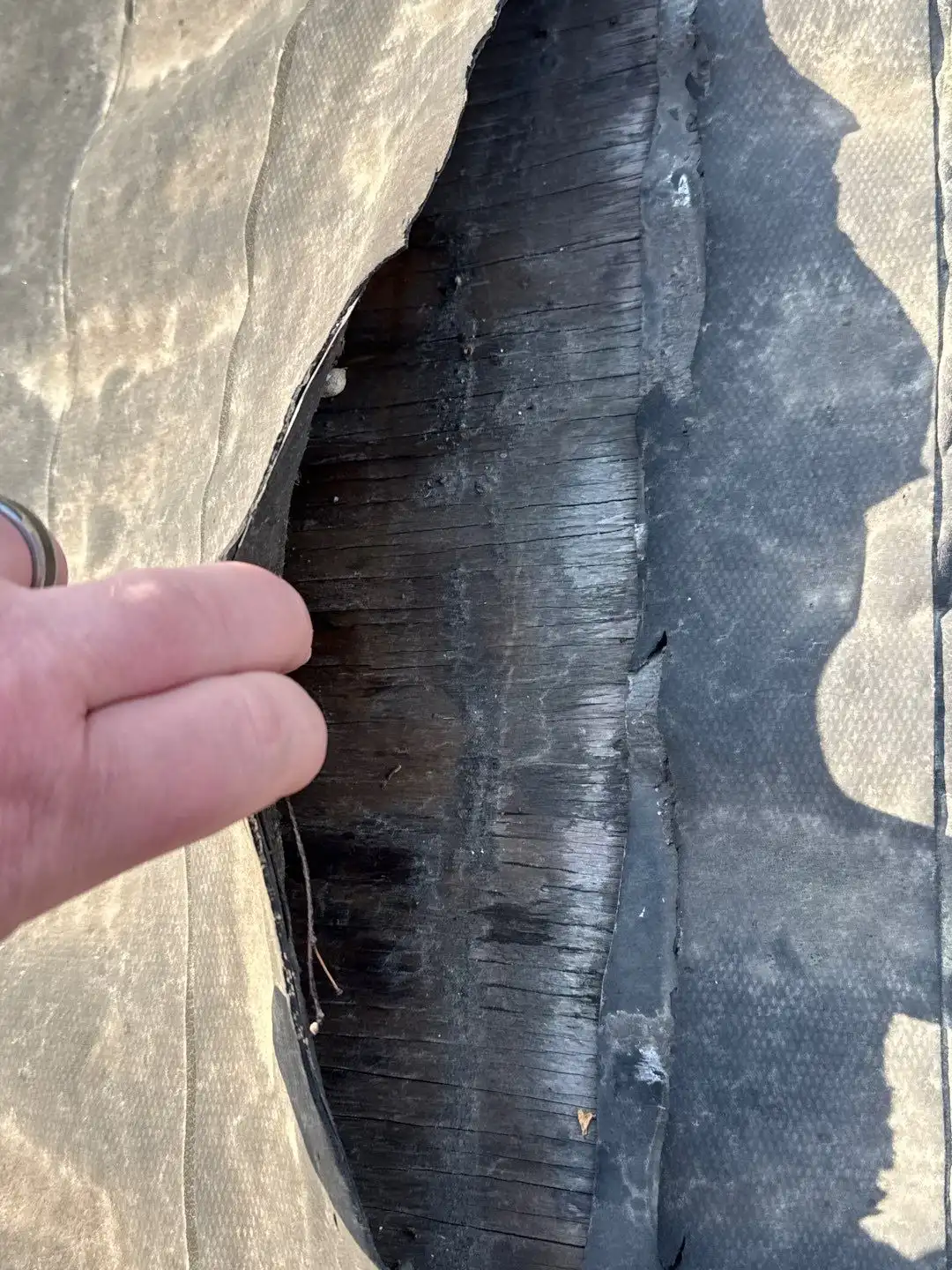
You cannot price what you cannot see. When the old roof comes off, the deck condition decides whether your project stays on budget. Rotted wood blocking, rusted steel decking, or wet insulation that hid water for years all show up on tear off day. We have seen Brazil projects add three to eight dollars a foot in deck repairs that no one could have priced from a walk over. The risk is highest on roofs over fifteen years old or where leaks were patched rather than tracked to origin.
Solution: Inspect Before You Sign, Allow a Repair Allowance
A pre bid inspection with core samples tells you what is wet, what is dry, and what the deck looks like. A reputable contractor will then write a deck repair allowance into the contract with a clear unit price per board foot or per sheet. You are not signing a blank check. You are agreeing to known rates for whatever shows up. Our commercial roof inspection checklist covers the items that should be documented before any replacement quote gets finalized. Infrared scans add another layer on larger roofs, mapping wet insulation in zones so the allowance can be sized to reality instead of guesswork.