Inspecting the details: where roofs leak
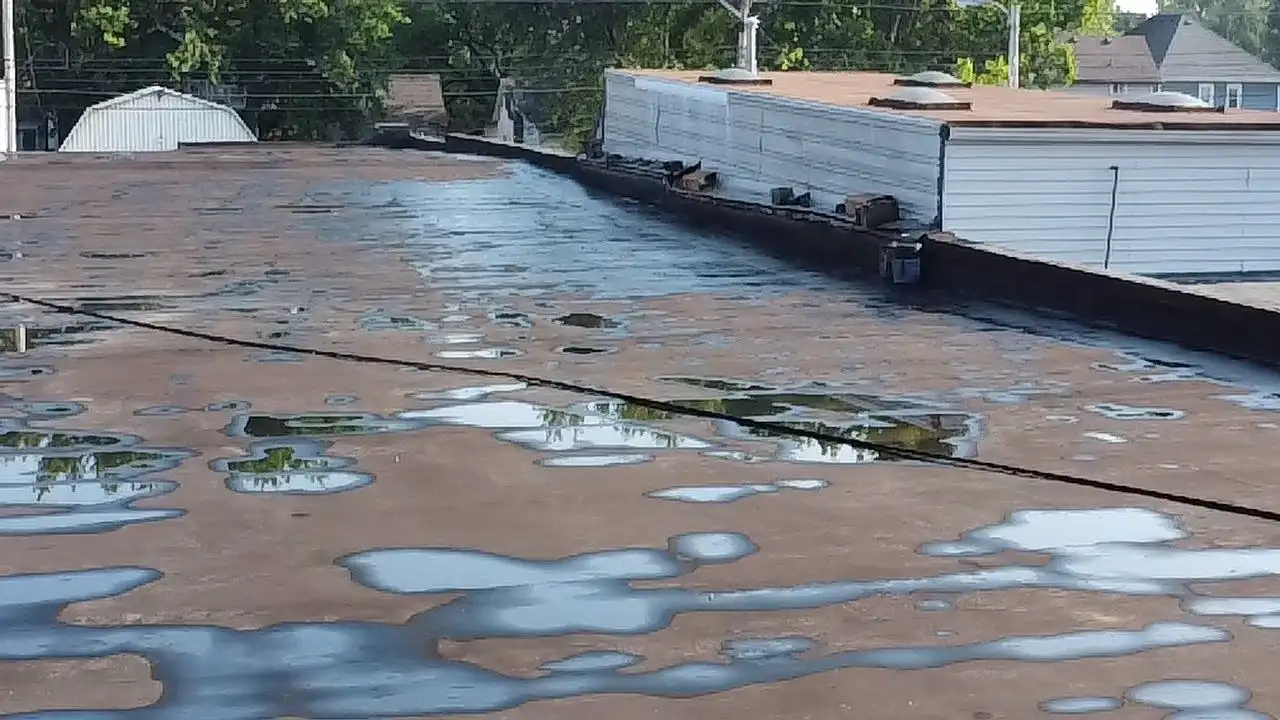
The details inspection examines the points where roofs actually fail, and for a Brazil owner, understanding the focus here explains why this part of the inspection is so important. The pros scrutinize several specific details.
Flashings
The inspection closely examines the flashings, the materials that seal the transitions where the roof meets walls, curbs, and other elements, because flashings are among the most common leak points. The inspector checks whether they are intact, properly sealed, and not lifting, cracking, or deteriorating. For a roof, the flashing inspection targets a frequent source of leaks, and finding flashing problems early, before they let water in, is one of the most valuable things this scrutiny accomplishes.
Seams
The inspection examines the seams where membrane sheets join, since seams can be a weak point, particularly on aging roofs or where the original welding or adhesion was imperfect. The inspector checks the seams for any opening, lifting, or failure. For a Clay County roof, the seam inspection catches developing seam problems before they become leaks, which is especially important on membrane roofs where the seams are a key part of the watertight system and a common place for issues to develop.
Penetrations and equipment curbs
The inspection examines the penetrations, pipes, vents, and the curbs around rooftop equipment, because every penetration is a point where the roof is interrupted and sealed, and thus a potential leak source. The inspector checks the seals and flashings at each. For a Brazil roof with rooftop units and penetrations, this part of the inspection scrutinizes numerous potential leak points, often finding issues at the details around equipment that need resealing before they leak.
Edges and terminations
The inspection examines the roof edges and terminations, where the membrane ends and is secured, checking that these are intact and properly sealed, since edges are exposed and can be a point of failure or wind uplift. For a roof, the edge and termination inspection ensures the perimeter of the roof is sound, addressing a part of the roof that, if compromised, can lead to leaks or wind damage, completing the scrutiny of the roof's critical details.
Why the details inspection matters most
Because the details, flashings, seams, penetrations, and edges, are where roofs actually leak, the details inspection is often where problems are found and where catching them early prevents leaks. For a Clay County owner, this scrutiny of the leak prone details is among the most valuable parts of a thorough inspection, since addressing detail problems before they let water in protects the roof and the building from the damage leaks cause.
Get your roof's details scrutinized
Finally, an inspection is only useful if it produces something an owner can act on, which is why a documented report with prioritized recommendations matters as much as the examination itself. A owner who receives a clear record of the findings and guidance on what to address now versus later can manage the roof knowledgeably, budgeting and planning rather than guessing. That actionable output turns an inspection from an event into a tool, supporting the ongoing care that keeps a commercial roof healthy and reaching its full life.
It also helps to treat inspection as ongoing rather than one time, because a roof's condition changes over time and regular examination catches new problems while they are small. A Clay County owner who establishes a consistent inspection schedule, commonly twice a year and after storms, keeps the roof monitored and the problems caught early, while one who inspects only when something goes wrong is already reacting to damage. Regular inspection is the practical foundation of caring for a roof, far cheaper than the failures that missed problems eventually cause.
The broader point about a roof inspection is that its value lies entirely in its thoroughness, since a cursory walk around that glances at the surface misses the details, drainage, and subsurface conditions where problems actually live. A Brazil owner who understands what a proper inspection covers can insist on that completeness, getting a real assessment rather than a reassuring but shallow look. The inspections that protect a roof are the systematic ones, which is why knowing what the pros should examine helps an owner expect and value a genuinely thorough job.
Finally, an inspection is only useful if it produces something an owner can act on, which is why a documented report with prioritized recommendations matters as much as the examination itself. A owner who receives a clear record of the findings and guidance on what to address now versus later can manage the roof knowledgeably, budgeting and planning rather than guessing. That actionable output turns an inspection from an event into a tool, supporting the ongoing care that keeps a commercial roof healthy and reaching its full life.
It also helps to treat inspection as ongoing rather than one time, because a roof's condition changes over time and regular examination catches new problems while they are small. A Clay County owner who establishes a consistent inspection schedule, commonly twice a year and after storms, keeps the roof monitored and the problems caught early, while one who inspects only when something goes wrong is already reacting to damage. Regular inspection is the practical foundation of caring for a roof, far cheaper than the failures that missed problems eventually cause.
The broader point about a roof inspection is that its value lies entirely in its thoroughness, since a cursory walk around that glances at the surface misses the details, drainage, and subsurface conditions where problems actually live. A Brazil owner who understands what a proper inspection covers can insist on that completeness, getting a real assessment rather than a reassuring but shallow look. The inspections that protect a roof are the systematic ones, which is why knowing what the pros should examine helps an owner expect and value a genuinely thorough job.
Finally, an inspection is only useful if it produces something an owner can act on, which is why a documented report with prioritized recommendations matters as much as the examination itself. A owner who receives a clear record of the findings and guidance on what to address now versus later can manage the roof knowledgeably, budgeting and planning rather than guessing. That actionable output turns an inspection from an event into a tool, supporting the ongoing care that keeps a commercial roof healthy and reaching its full life.
It also helps to treat inspection as ongoing rather than one time, because a roof's condition changes over time and regular examination catches new problems while they are small. A Clay County owner who establishes a consistent inspection schedule, commonly twice a year and after storms, keeps the roof monitored and the problems caught early, while one who inspects only when something goes wrong is already reacting to damage. Regular inspection is the practical foundation of caring for a roof, far cheaper than the failures that missed problems eventually cause.
Brazil Commercial Roofing carefully inspects the flashings, seams, penetrations, and edges on Brazil commercial roofs, catching detail problems early. Call (765) 676-3491 to get your roof's critical details scrutinized. A thorough details inspection is what separates informed roof care from an expensive guess.